
What is RVG in Dental?
RVG (Radiovisiography) is a digital intraoral X-ray system used in dentistry. Instead of traditional film, it uses a sensor to capture images instantly on a computer.
👉 Benefits:
- Instant image (no film processing)
- Lower radiation exposure
- Better image quality & zoom
- Easy storage and sharing
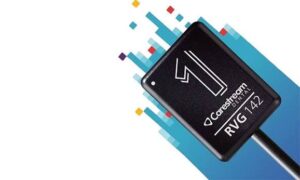
🦷 RVG Size 1 (Dental Sensor) – Complete Guide
RVG Size 1 is a small intraoral digital X-ray sensor, mainly used for children (pediatric patients) and patients with a small oral cavity.
📏 Standard Dimensions (Size 1)
- Active area: approx. 20 × 30 mm
- Sensor size (outer): approx. 25–32 mm length
- Compact and easy to place in small mouths
👉 Example: Some sensors have active area around 21 × 27 mm
🎯 Where Size 1 is Used
- Pediatric dentistry 👶
- Patients with small mouth opening
- Anterior teeth imaging
- Bitewing (limited area cases)
💡 Compared to other sizes:
- Size 0 → very small (kids)
- Size 1 → small (kids + small adults)
- Size 1.5 → standard adult
- Size 2 → large adult / full coverage
👍 Advantages of RVG Size 1
- Comfortable for children
- Easy placement inside mouth
- Less gag reflex
- Good for targeted imaging
⚠️ Limitation
- Covers smaller area, so may miss full posterior anatomy
- Sometimes need multiple exposures for adults
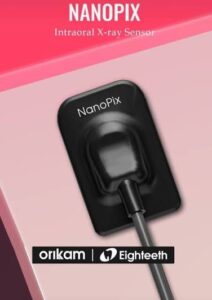
🛒 Popular RVG Size 1 Sensors
Budget / Clinic Starter
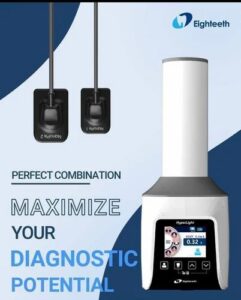
Mid-range Reliable
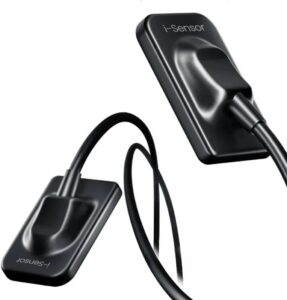
Premium Option
RVG 1.5
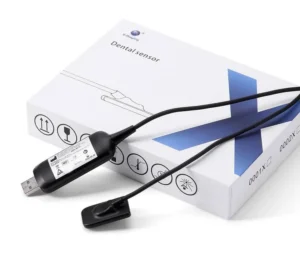
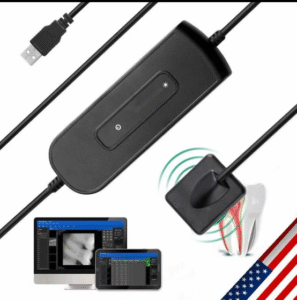
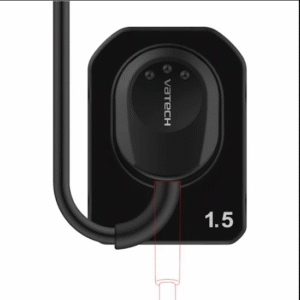
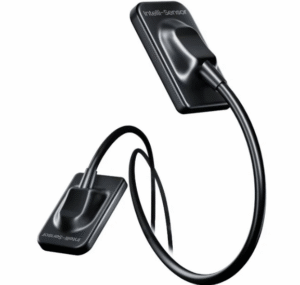
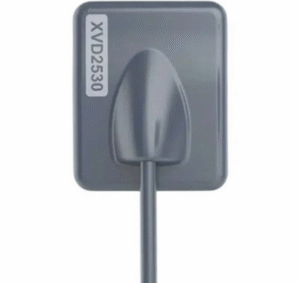
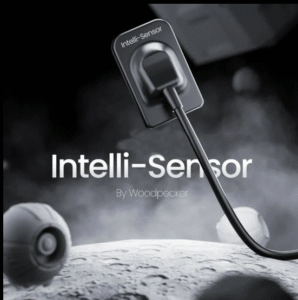
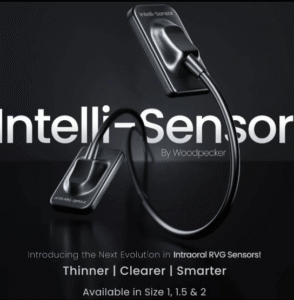
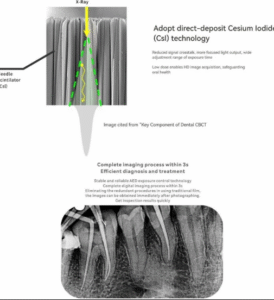
🦷 RVG Size 1.5 (Dental Sensor)
RVG Size 1.5 is the most commonly used intraoral sensor in dental clinics. It is considered the standard size for adult patients, offering a good balance between coverage and comfort.
📏 Standard Dimensions (Size 1.5)
- Active area: approx. 24 × 33 mm
- Outer size: approx. 43 × 29 mm
👉 This is larger than Size 1 but smaller than Size 2, making it ideal for most cases.
🎯 Where Size 1.5 is Used
- Adult patients (routine use)
- Periapical X-rays
- Bitewing imaging
- Posterior + anterior coverage (balanced)
💡 It is the best “all-rounder” size in dental practice.
👍 Advantages of Size 1.5
- Covers more area than Size 1
- Comfortable for most adults
- Fewer exposures needed
- Better diagnosis (posterior + anterior)
⚠️ Limitation
- Slightly larger → may be uncomfortable for small mouths
- Not ideal for children (Size 1 or 0 better)
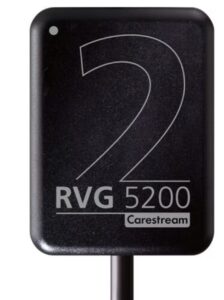
RVG 2
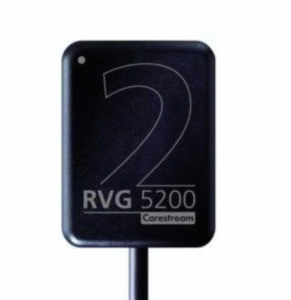
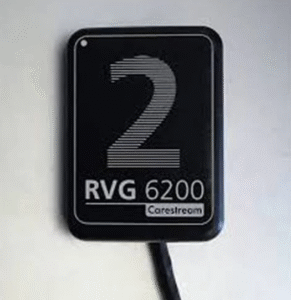
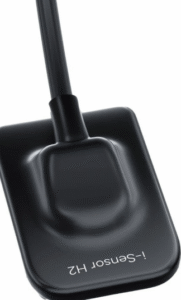
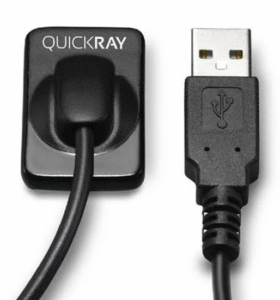
🦷 RVG Size 2 (Dental Sensor)
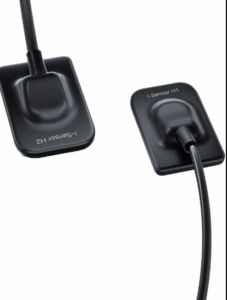
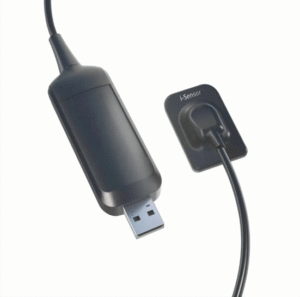
RVG Size 2 is the largest intraoral digital X-ray sensor and is mainly used for adult patients, especially when you need maximum coverage in one image.
📏 Standard Dimensions (Size 2)
- Active area: approx. 33 × 25 mm
- Larger than Size 1 and 1.5 → captures more tooth + surrounding bone
🎯 Where Size 2 is Used
- Adult posterior imaging (molars)
- Bitewing X-rays (full coverage)
- Full periapical views
- Cases where fewer exposures are preferred
💡 Many dentists use Size 2 for routine adult diagnosis because it covers a wider area.
👍 Advantages of Size 2
- Maximum image coverage ✅
- Fewer shots required (time saving)
- Better for posterior + bone level diagnosis
- Ideal for general dentistry & endo
⚠️ Limitations
- Slightly bulky → may cause discomfort
- Not suitable for children
- Difficult in patients with small mouth opening