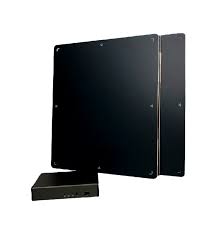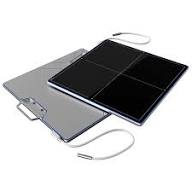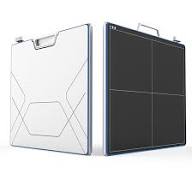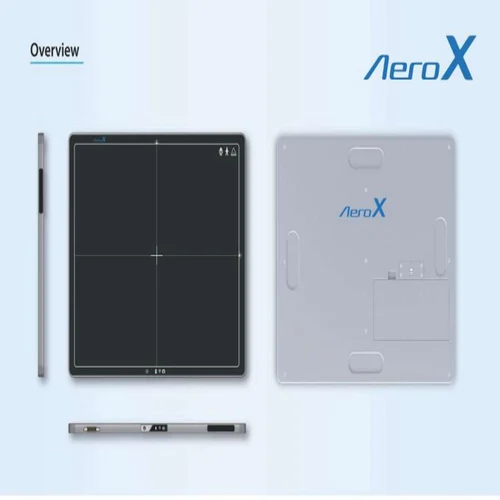
Direct Radiography (DR) is an advanced digital X-ray imaging technology used in medical diagnostics that captures images directly without using cassettes or intermediate processing systems.
🔍 What is Direct Radiography?
Direct Radiography is a form of digital imaging where X-ray photons are converted into digital signals instantly using a flat-panel detector.
⚙️ How It Works
- X-rays pass through the patient’s body
- They hit a flat panel detector (FPD)
- The detector converts X-rays into electrical signals
- The image appears immediately on a computer screen
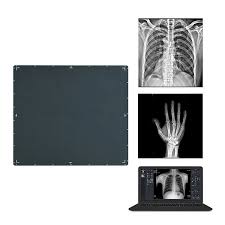
🧩 Types of DR Systems
1. Direct Conversion DR
- Uses materials like amorphous selenium (a-Se)
- Converts X-rays directly into electrical signals
- Provides high resolution images
2. Indirect Conversion DR
- Uses scintillators like cesium iodide (CsI)
- Converts X-rays → light → electrical signal
- More commonly used and cost-effective
⭐ Key Components
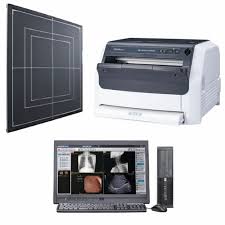
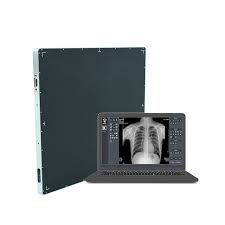
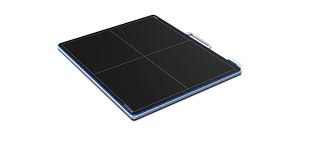
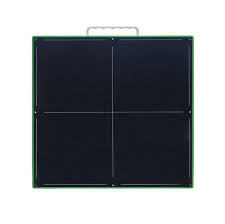
- Flat Panel Detector (wired or wireless)
- X-ray generator
- Image acquisition workstation
- Software for image processing
✅ Advantages of DR
- Instant image preview (within seconds)
- No need for cassettes or CR processing
- Higher image quality
- Lower radiation dose (compared to traditional systems)
- Faster workflow → more patients handled
- Easy image storage & sharing (PACS integration
KONICA MINOLTA
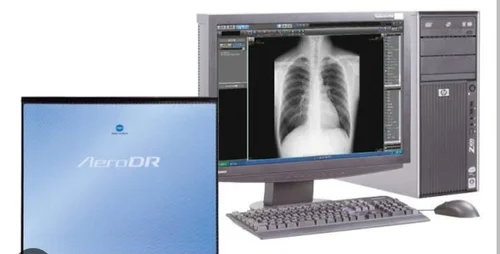
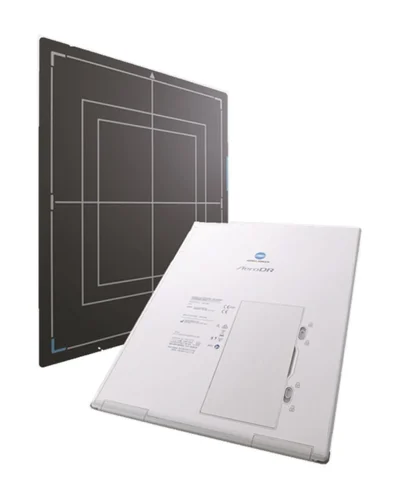
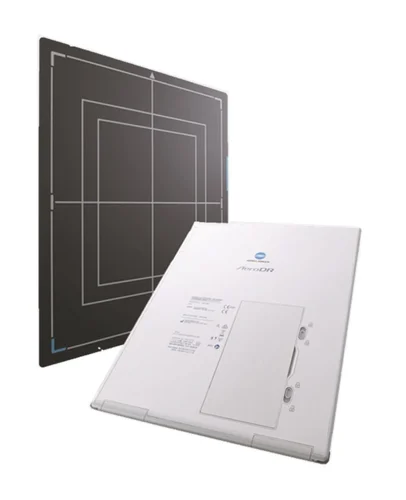
🔷 1. AeroDR NS (Original)
Konica Minolta wireless 14×17 DR detector with AED and ImagePilot software
🔍 Key Specifications
- Detector Size: 14×17 inch
- Pixel Size: 150 µm
- Scintillator: CsI (Indirect conversion)
- DQE: ~40%
- Preview Time: ~4 seconds
- AED: Yes (no cable required)
- Weight: ~3.6 kg
- Battery: ~200 images
- Storage: Up to 200 images in detector
✅ Advantages
- Trusted brand reliability
- Stable image quality
- Strong software ecosystem (ImagePilot + mini PACS)
- Easy upgrade from CR → DR
❌ Limitations
- Heavier than new-gen panels
- Moderate resolution (150 µm)
- Charging time longer vs new models
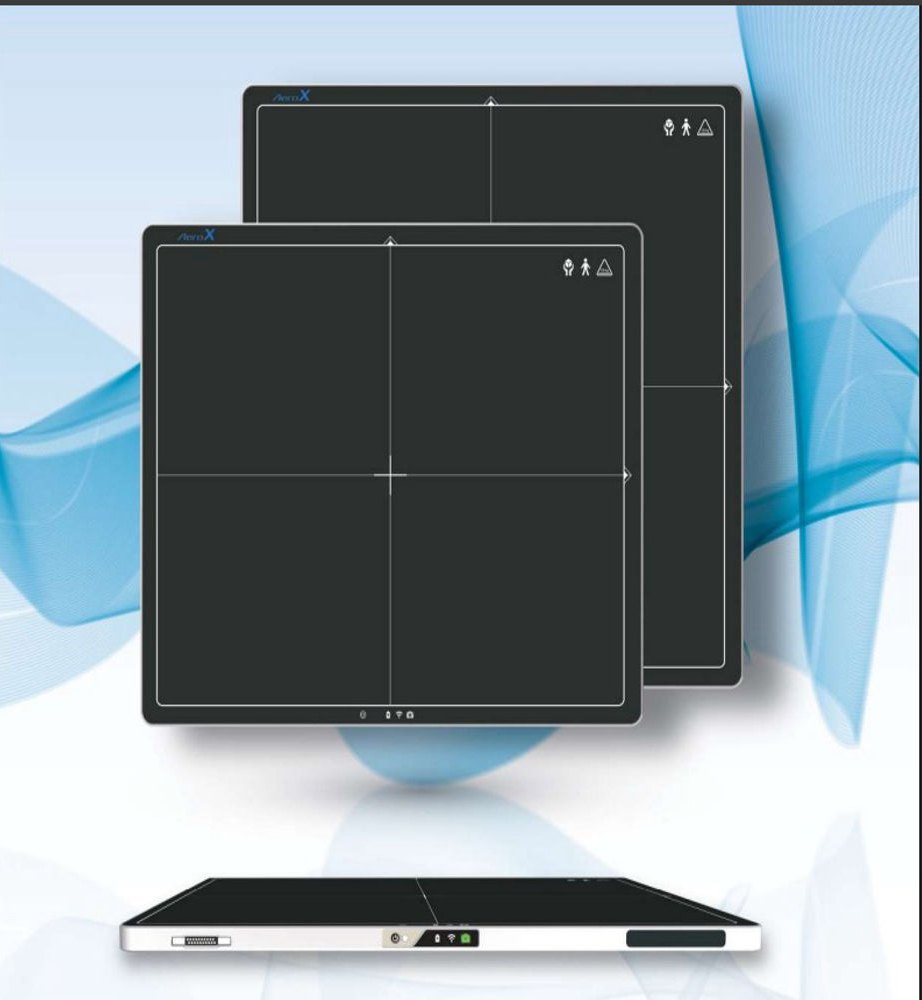
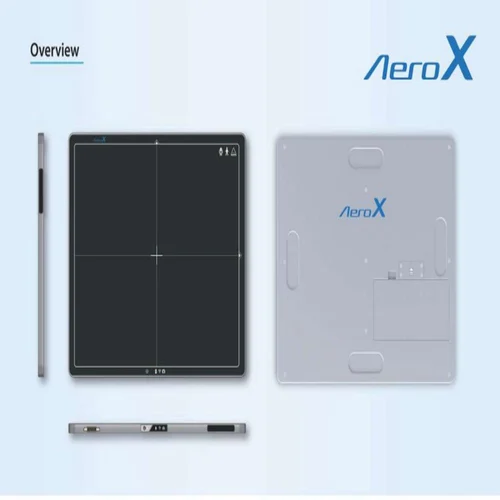
🔷 2. AEROX DR (Generic / OEM Panels)
⚠️ Important: AEROX DR is not a global OEM brand like Konica Minolta.
It is usually:
- Rebranded Chinese/Korean FPD
- Sold by different Indian suppliers under private label
🔍 Typical Specifications (varies by model)
- Pixel Size: 100–140 µm (often better than NS)
- Scintillator: CsI
- Weight: 2.5–3.0 kg (lighter)
- AED: Available
- Wireless: Yes
- Battery: ~300–400 shots (depends on model)
✅ Advantages
- Lower price (budget-friendly)
- Newer specs (lighter, faster)
- Higher resolution (in some models)
❌ Limitations
- Quality varies by supplier
- Service & support depends on vendor
- Software not as strong as ImagePilot
- Long-term durability uncertain
⚖️ DIRECT COMPARISON TABLE
| Feature | AeroDR NS Flat Panel Detector ₹10,85,000•synermedtech.com | AEROX DR (Generic Panels) |
|---|---|---|
| Brand | Konica Minolta | OEM / Private label |
| Pixel Size | 150 µm | 100–140 µm |
| Image Quality | Stable & reliable | Depends on model |
| Weight | 3.6 kg | 2.5–3 kg |
| Battery | ~200 images | 300+ images |
| Software | ImagePilot (Strong) | Basic / varies |
| Service | Authorized network | Vendor-dependent |
| Cost | Higher | Lower |